June 15, 2026
Vehicles are among the most significant investments that individuals make, serving as essential components of daily life, productivity, and personal mobility. However, the open road introduces a variety of hazards that can instantly compromise the aesthetic appeal and structural safety of any car, truck, or SUV. When collisions, weather events, or unexpected mishaps occur, specialized automotive professionals step in to reverse the damage. Understanding the sophisticated methodologies utilized during the restoration process highlights the immense value of professional expertise in returning a vehicle to its pristine, pre-accident state.
The journey from a heavily damaged vehicle to a flawlessly restored machine requires a seamless blend of advanced engineering, specialized machinery, and artistic craftsmanship. Professional auto body repair technicians undergo rigorous training to master the complexities of modern automotive designs, which feature intricate electrical systems, lightweight alloys, and complex crumple zones. By utilizing methodical diagnostic procedures and high-tech tools, these facilities ensure that every underlying issue is addressed. The comprehensive nature of these repair methodologies guarantees that even the most severely impacted vehicles can be successfully saved from the scrap heap.
Initializing Detailed Structural Assessment
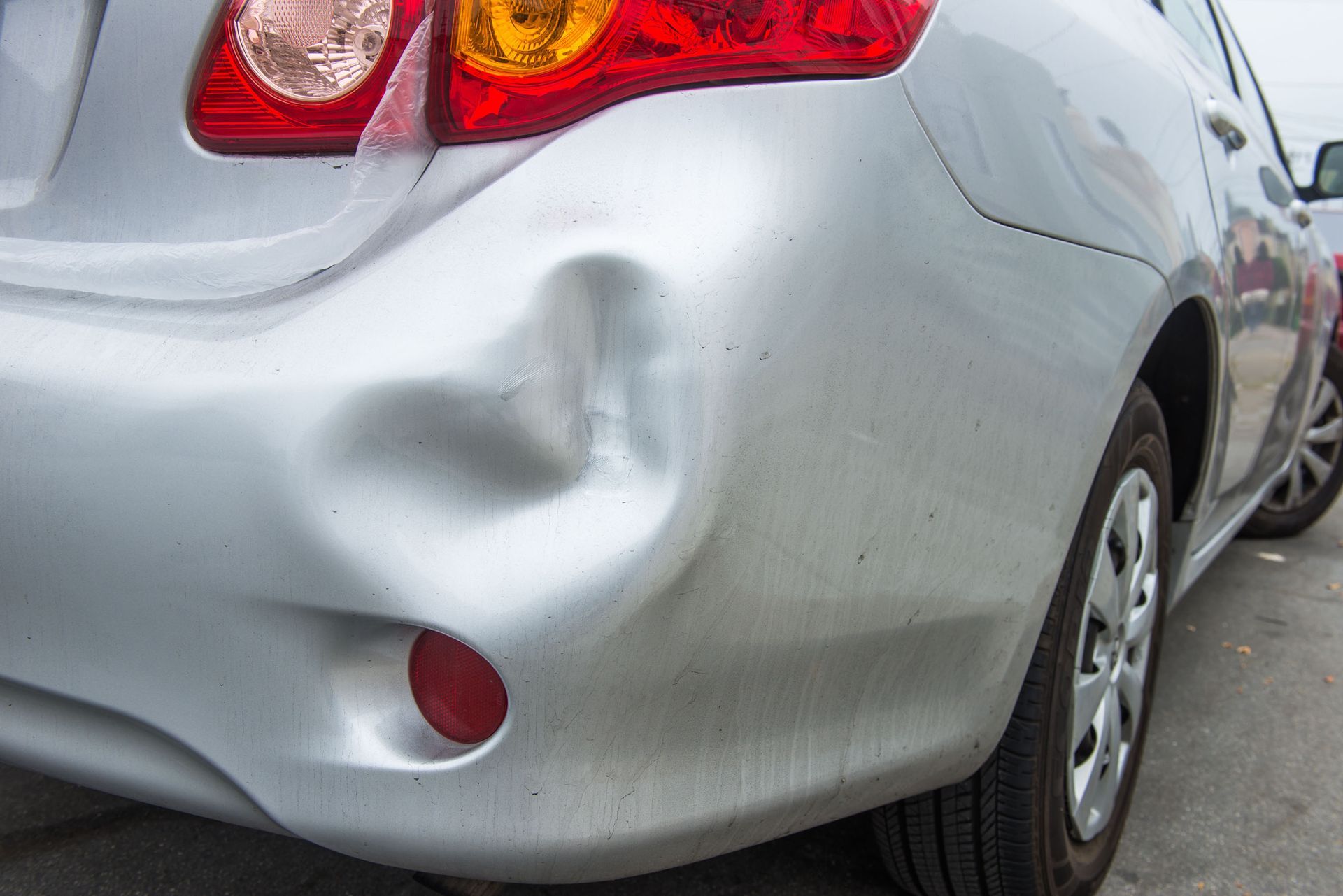
The restoration process begins with an exhaustive inspection designed to identify both surface blemishes and deep-seated structural compromises. Technicians look beyond the obvious superficial dents and scratches, utilizing computerized measuring systems to evaluate the alignment of the vehicle frame. This initial phase is critical because modern vehicles are designed to absorb collision impacts by crumple zones, which often leave hidden components displaced or damaged. By mapping out the precise deviations from original factory specifications, professionals can formulate an accurate blueprint for the entire project.
According to Consumer Shield, annual car crashes in the United States range from over 5 million to over 6 million. This necessitates the expertise of auto body repair shops to repair the damages incurred through various techniques, tools, and an unparalleled level of craftsmanship. Once the comprehensive physical and digital scanning is complete, the facility generates a detailed cost estimation for labor, parts, and specialized materials. This data is coordinated directly with insurance adjusters to streamline approvals and establish a realistic operational timeline, keeping the vehicle owner fully informed before any physical labor commences. This administrative and diagnostic precision lays a solid foundation for the physical work ahead.
Dismantling Damaged Components Completely
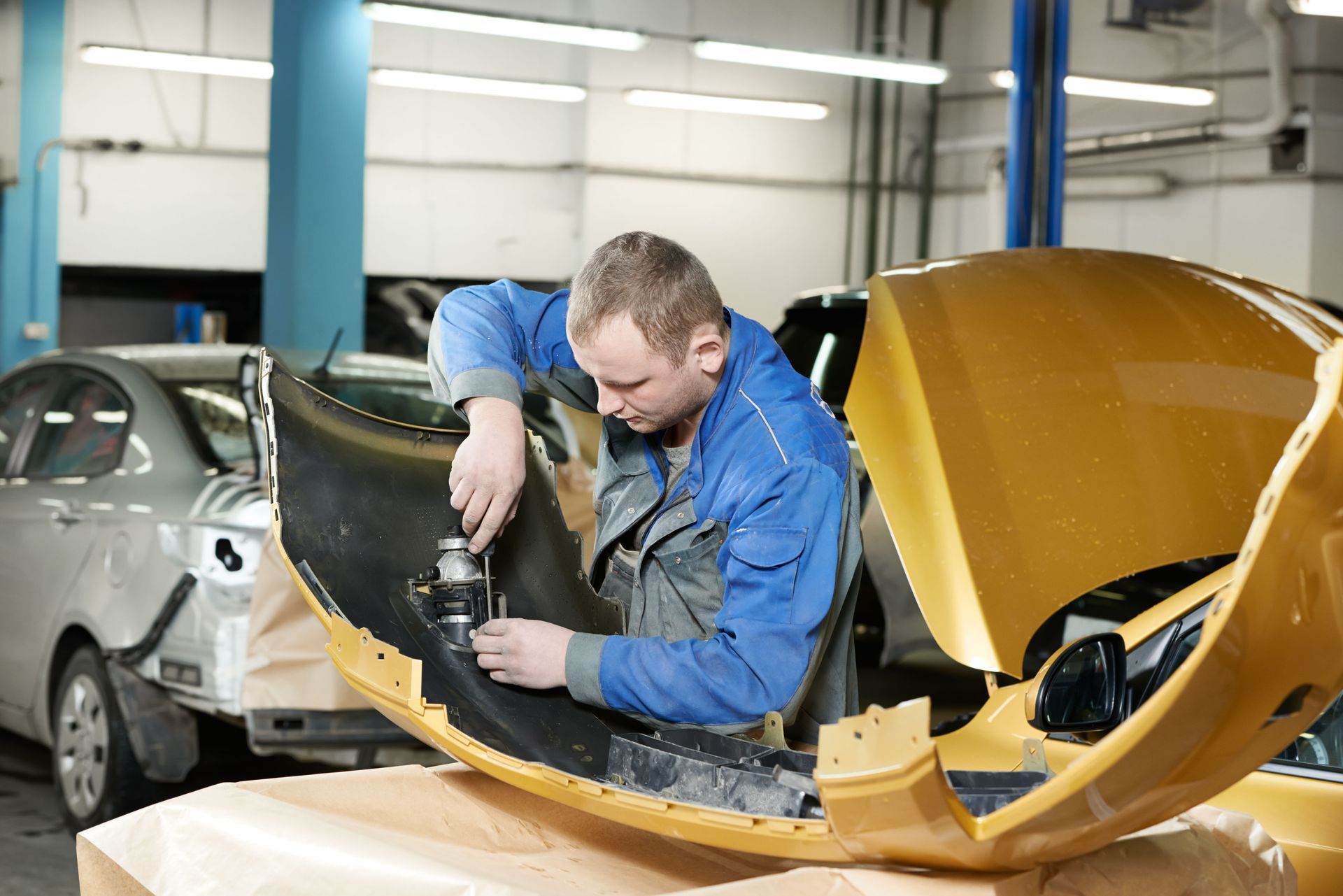
Once the repair plan is finalized and authorized, the physical transformation begins with the systematic disassembly of the impacted areas of the vehicle. Mechanics carefully remove exterior panels, trim pieces, lights, and internal mechanical components that stand in the way of the primary structural repairs. This careful extraction prevents further damage to intact peripheral parts and gives the technicians unhindered access to the underlying core structure. Every bolt, clip, and electrical connector is labeled and organized to ensure absolute accuracy during the eventual reassembly phase.
With the outer layers removed, a secondary, deeper analysis is performed to catch any supplementary issues that were obscured during the initial exterior inspection. Stripping the vehicle down to its skeletal frame allows technicians to examine localized stress points, fractured brackets, or compromised wiring harnesses. Documenting these secondary findings ensures that the repair scope remains totally accurate and that no safety hazard goes uncorrected. This meticulous approach guarantees that the final auto body repair is not merely a cosmetic cover-up but a complete renewal of the vehicle. This standard of teardown ensures that the vehicle remains reliable and safe for years to come.
Executing Advanced Frame Straightening
With the internal structure fully exposed, the heavy reconstruction work begins by utilizing specialized frame alignment machinery to correct structural distortion. Modern auto body repair relies on heavy-duty hydraulic pulling systems equipped with laser diagnostic guidance to manipulate warped metal back into place. Technicians anchor the vehicle to a rigid platform, applying precise, calculated pressure to reverse the forces of the collision impact. This process requires incredible precision, as even a millimeter of misalignment can alter vehicle handling and diminish future crash protection.
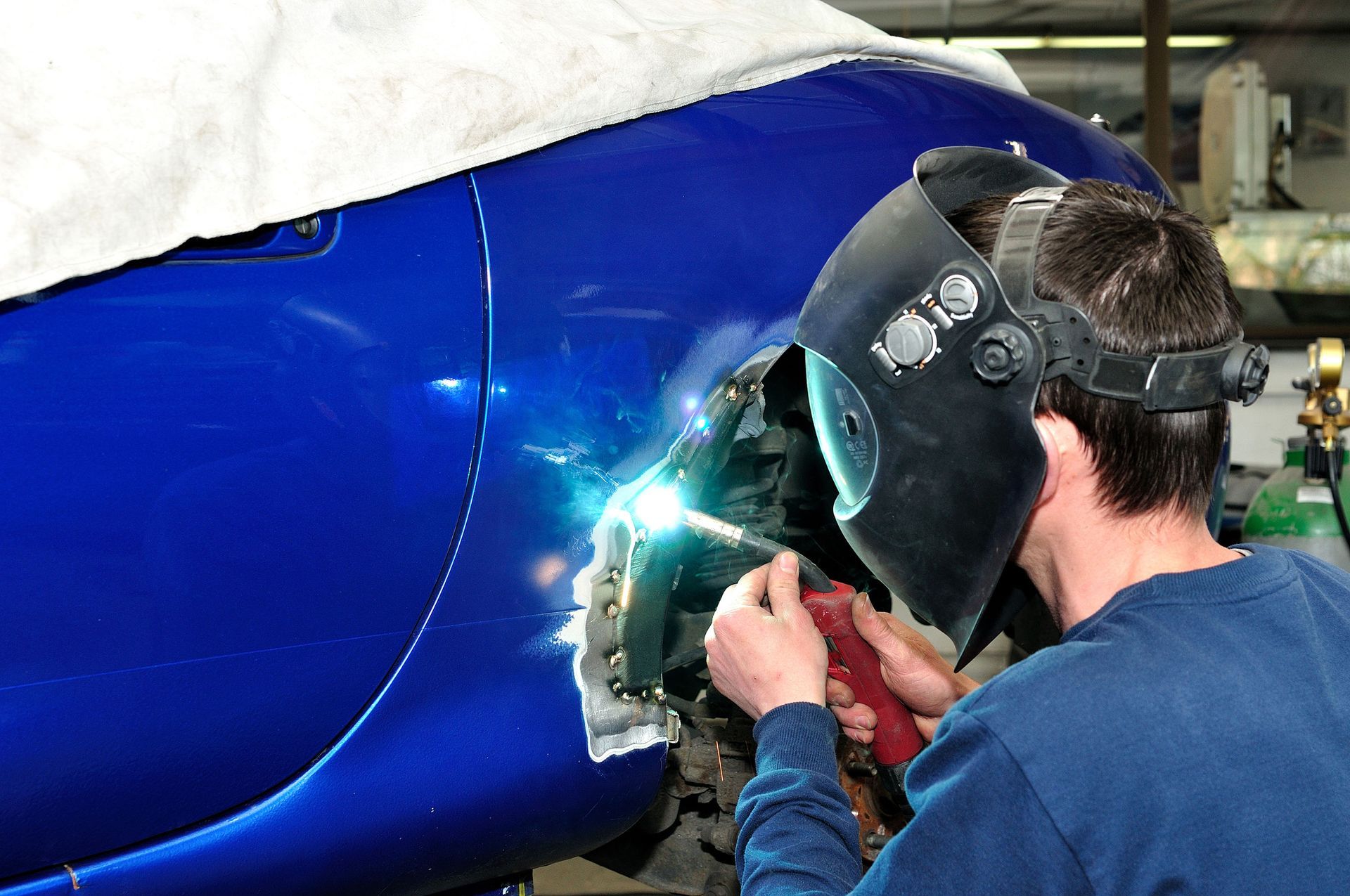
In tandem with frame straightening, technicians utilize advanced panel replacement and metal reshaping techniques to address the exterior skin of the vehicle. Damaged body panels that cannot be perfectly restored are replaced with high-quality components that match the original manufacturer's dimensions down to the exact millimeter. For panels undergoing repair, specialized welding equipment, dent-pulling tools, and metal-shrinking methodologies are utilized to eliminate imperfections. Specialized treatments are also applied during this phase to remove any surface oxidation, ensuring a clean, corrosion-resistant foundation for subsequent stages. This technical rigor ensures that the underlying architecture matches factory specifications exactly.
Applying Flawless Finish Undercoats
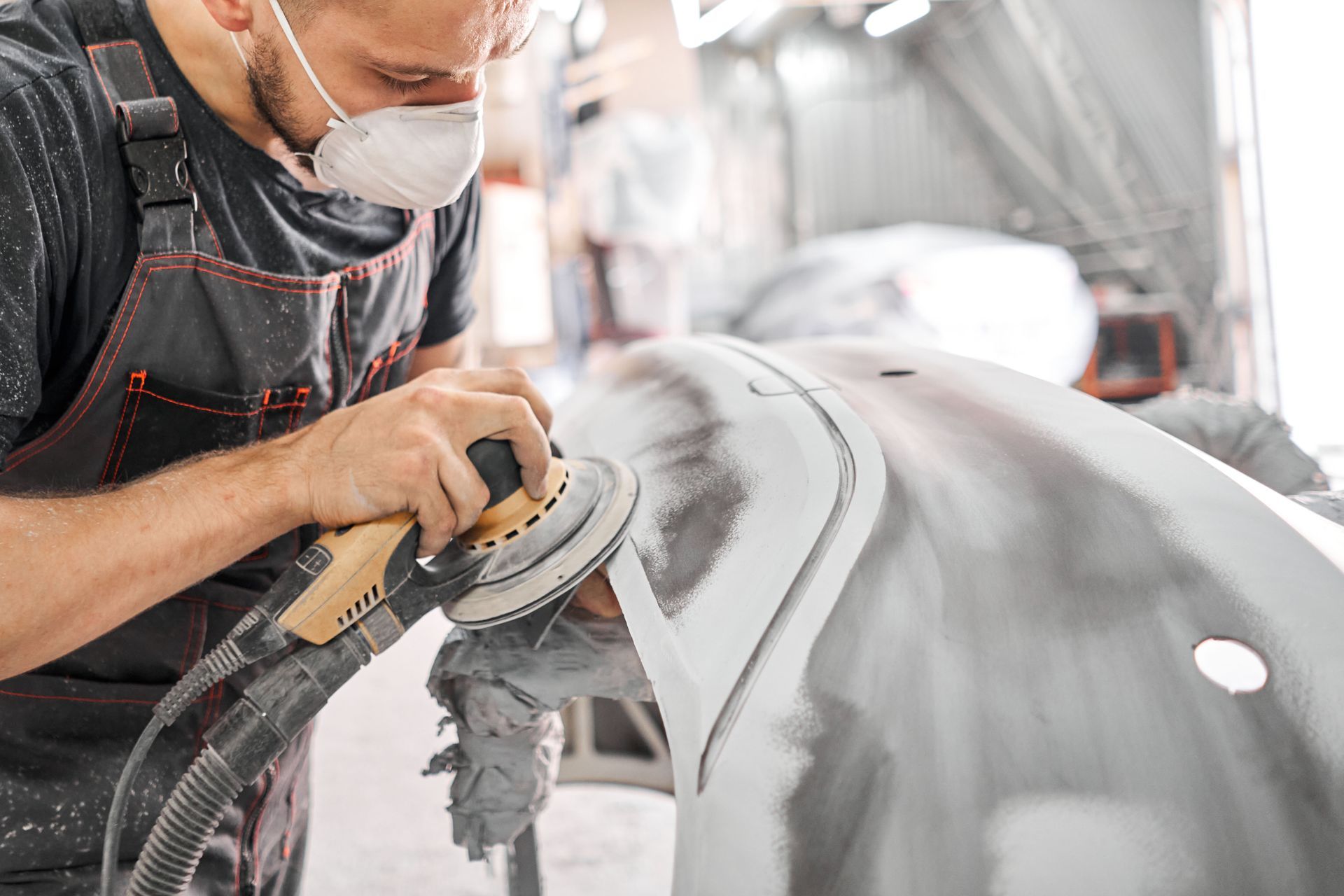
The transition from structural rebuilding to aesthetic refinement requires meticulous surface preparation before any colored paint can touch the vehicle. Technicians sand down the repaired areas, applying high-grade body fillers to smooth out microscopic imperfections and restore the original contours of the bodywork. Once the contours are completely flush with the surrounding panels, the vehicle is moved into a controlled environment where specialized primers and sealers are applied. These undercoats act as a protective barrier against moisture and environmental elements while providing optimal adhesion for the paint.
Achieving a durable finish requires applying multiple layers of primer, with extensive block sanding performed between each coat to guarantee absolute flatness. The sealing stage follows, creating a non-porous foundation that prevents the underlying repair materials from absorbing the topcoats. This level of preparation is what separates standard touch-ups from professional restoration, as any shortcut taken during the priming phase will inevitably show through the final glossy finish. The pristine environment of a modern downdraft paint booth ensures that airborne dust and contaminants are completely eliminated from the surface. This absolute cleanliness guarantees that the subsequent color applications adhere beautifully without any physical defects.
Reassembling Restored Automotive Systems
The final major physical phase involves putting the vehicle back together with original factory precision after the paint has cured and polished to a mirror-like shine. Technicians reinstall all the exterior panels, door handles, light fixtures, emblems, and interior trim pieces that were removed during the initial teardown. Each component is aligned to ensure that the gaps between panels are completely uniform and consistent with factory standards. This phase requires patience and a steady hand to avoid scratching the freshly completed finish during installation.
Beyond physical aesthetics, this stage integrates critical mechanical calibrations and performance testing to ensure total operational safety. Advanced driver-assistance systems, including radar sensors, cameras, and lane-departure warnings located in the bumpers or windshield, must be digitally recalibrated using specialized software. Technicians perform wheel alignments, check electrical connectivity, and conduct comprehensive road tests to verify that the vehicle handles flawlessly. A final quality inspection checklist is completed, confirming that every single system functions precisely as it did before the incident occurred. These tests guarantee that the structural, mechanical, and electronic components work in perfect harmony.
The journey of vehicle restoration is an intricate process that demands a high level of technical proficiency, advanced machinery, and unwavering attention to detail. From the initial computerized structural diagnostics to the final calibration of safety sensors, professional technicians work tirelessly to ensure every vehicle returns to the road in peak condition. Entrusting your vehicle to a professional auto body repair facility guarantees that your investment is protected, your safety is prioritized, and the final aesthetic result is indistinguishable from a brand-new vehicle. When unexpected road mishaps compromise the integrity of your car, choosing certified professionals ensures peace of mind and peerless craftsmanship. Investing in expert solutions preserves the financial equity of your vehicle while providing long-term reliability. Contact Versus Paint & Collision today to schedule a comprehensive evaluation and experience premier restoration services firsthand.