February 18, 2026
The moments following a vehicle accident are often a blur of adrenaline and paperwork. Once the initial shock wears off, the focus shifts toward restoring your vehicle to its former glory. While many drivers drop their keys off at a laboratory-grade facility and hope for the best, the journey from a crumpled fender to a pristine finish is a complex orchestration of engineering and artistry. Understanding the nuances of collision repair can demystify the experience, helping you appreciate the meticulous labor required to ensure your car is both beautiful and safe once more.
Assessing Initial Vehicle Damage
The process begins with a comprehensive evaluation that goes far beyond a simple walk-around. When a car enters a specialized facility, technicians conduct a thorough teardown to uncover hidden issues that might not be visible to the naked eye. Modern vehicles are designed with sophisticated crumple zones meant to absorb impact energy, which often means that internal structures take the brunt of the force while the exterior panels show only minor bruising. This phase is critical because it prevents the discovery of "supplemental" damage halfway through the process, which can lead to lengthy delays.
During this stage, estimators document every detail for insurance purposes. They look for misaligned panels, hairline cracks in plastic components, and signs of structural fatigue. This transparency ensures that the collision repair plan accounts for every necessary part and hour of labor. Accurate assessment is the cornerstone of a successful restoration, as it provides a roadmap for the technicians and sets realistic expectations for the vehicle owner. Without this deep dive into the vehicle’s current state, the restoration would be superficial at best and dangerous at worst.
Reviewing Insurance Coverage Details
Navigating the bureaucratic side of an accident can be just as taxing as the physical damage itself. Once the initial estimate is drafted, the shop communicates directly with the insurance adjuster to verify the scope of work. This phase involves a rigorous review of the policy to determine which parts — Original Equipment Manufacturer, reconditioned, or high-quality aftermarket — are covered under the specific claim. It is a dialogue between the service provider and the insurer to ensure the vehicle is returned to its pre-accident condition without cutting corners.
This collaboration is vital because it establishes the financial boundaries of the project. Experts advocate for the best possible components to maintain the integrity of the vehicle. While waiting for a claim approval might feel like a test of patience, it is a necessary hurdle to ensure that the collision repair costs are handled according to the legal and contractual obligations of the insurance provider. A reputable shop acts as an advocate for the owner, ensuring that the insurance company understands the technical necessity of every line item on the repair order.
Straightening Complex Frame Structures
If an accident was severe enough to compromise the skeleton of the car, the vehicle is moved to a heavy-duty frame rack. This is perhaps the most technical stage of the entire journey. Using computerized measuring systems, technicians compare the current state of the vehicle against the manufacturer’s original blueprints. Even a deviation of a few millimeters can lead to poor handling, uneven tire wear, and compromised safety in future incidents. The frame is the foundation of the vehicle; if it is not perfect, nothing else will be.
Hydraulic towers are used to pull the metal back into its factory-specified alignment. This is a delicate dance of force and precision. According to Gitnux, about 20% of auto repairs are caused by improper maintenance or neglect, but frame damage is a different beast entirely — it is the result of sudden, violent energy that requires expert intervention to correct. Technicians monitor the pull in real-time, using laser sensors to ensure the metal returns to its exact coordinates. Restoring the structural "bones" of the car is a prerequisite for everything else that follows in the restoration timeline.
Replacing Damaged Exterior Panels
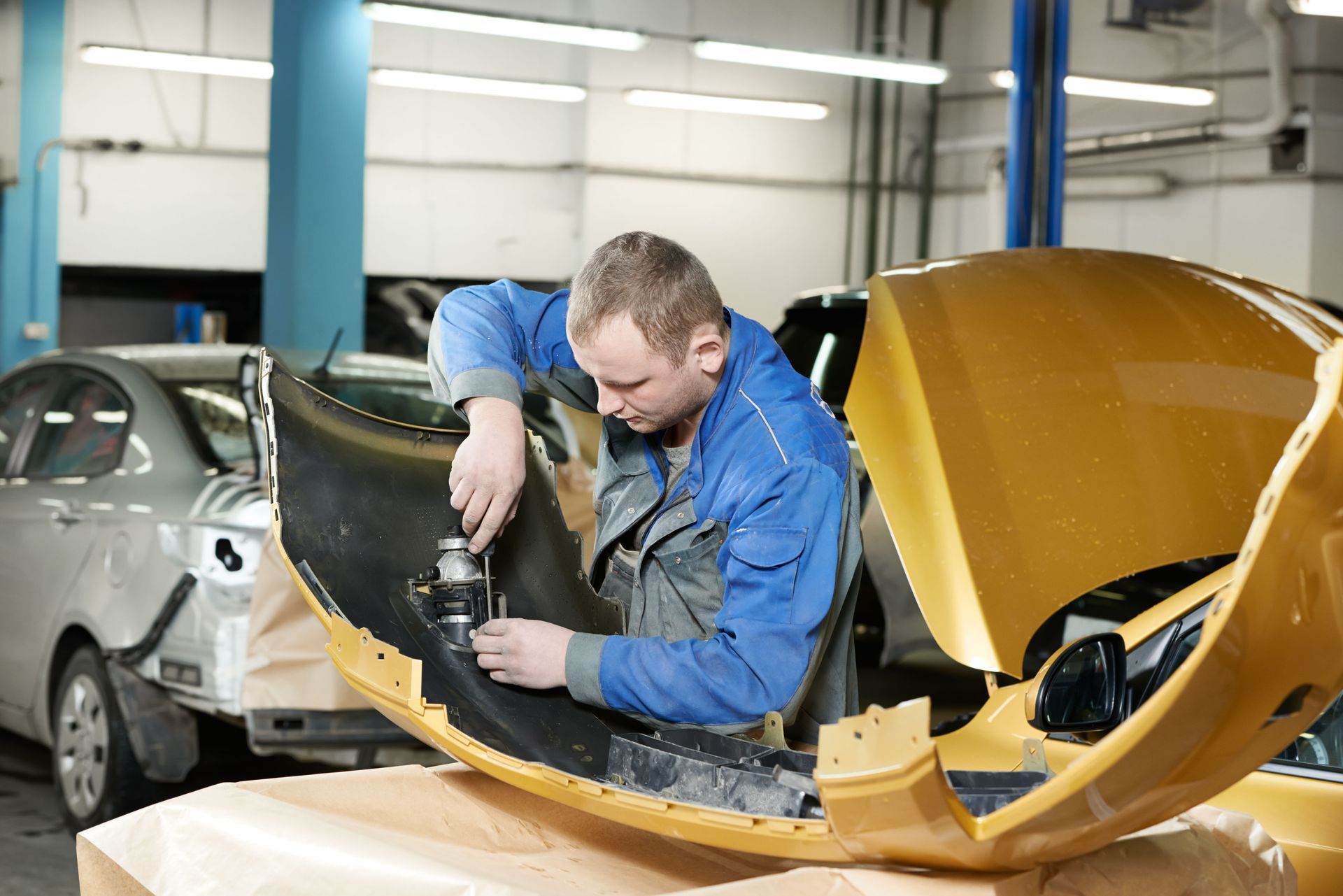
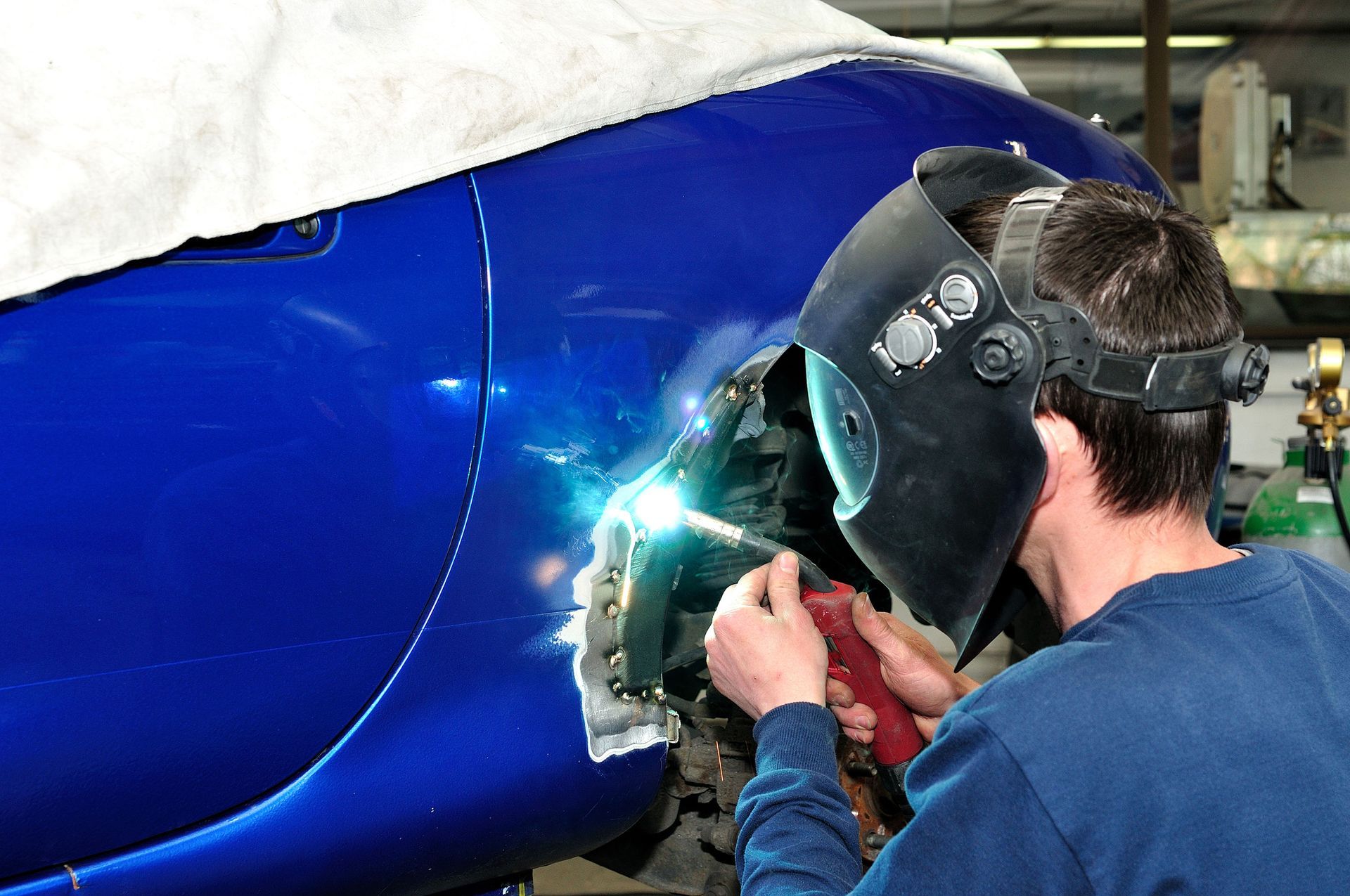
Once the underlying structure is verified as square and true, the focus shifts to the "skin" of the vehicle. Any panels that are too badly damaged to be repaired with traditional metal-finishing techniques are replaced entirely. This might include hoods, doors, trunk lids, or quarter panels. Technicians carefully align these new components to ensure that the gaps between panels are consistent and that all latches, hinges, and electronic sensors function smoothly. This is where the vehicle begins to regain its recognizable shape and silhouette.
For smaller dents that do not require full replacement, specialists use various tools to massage the metal back into shape. This stage of collision repair is where the car begins to look like a vehicle again, rather than a project. Every bolt is torqued to specification, and every sensor — such as those used for blind-spot monitoring or parking assistance — is checked to ensure that the exterior assembly is as solid and functional as it was the day it left the assembly line. Proper fitment is essential not just for looks, but for wind noise reduction and weatherproofing.
Refining Surfaces for Painting
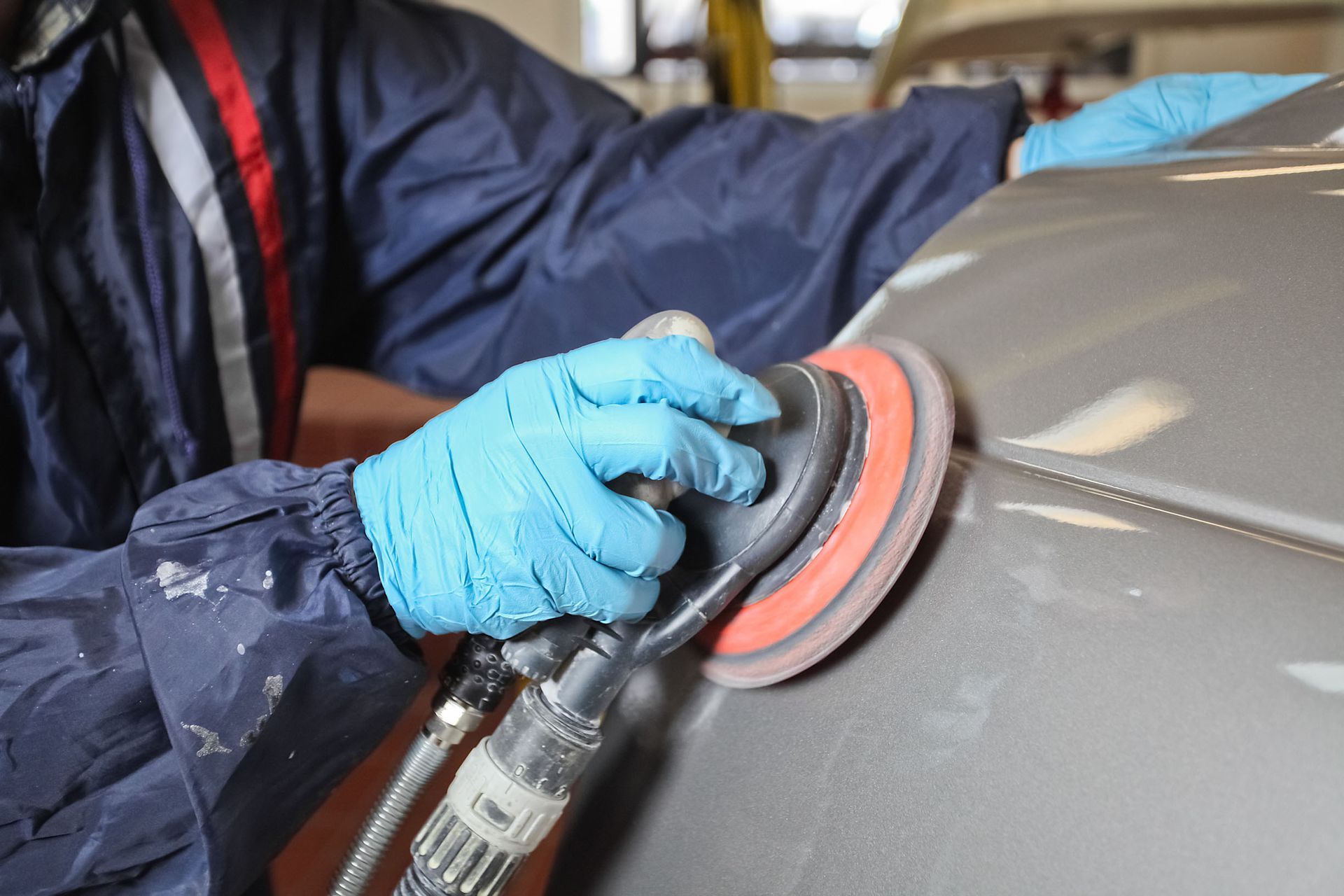
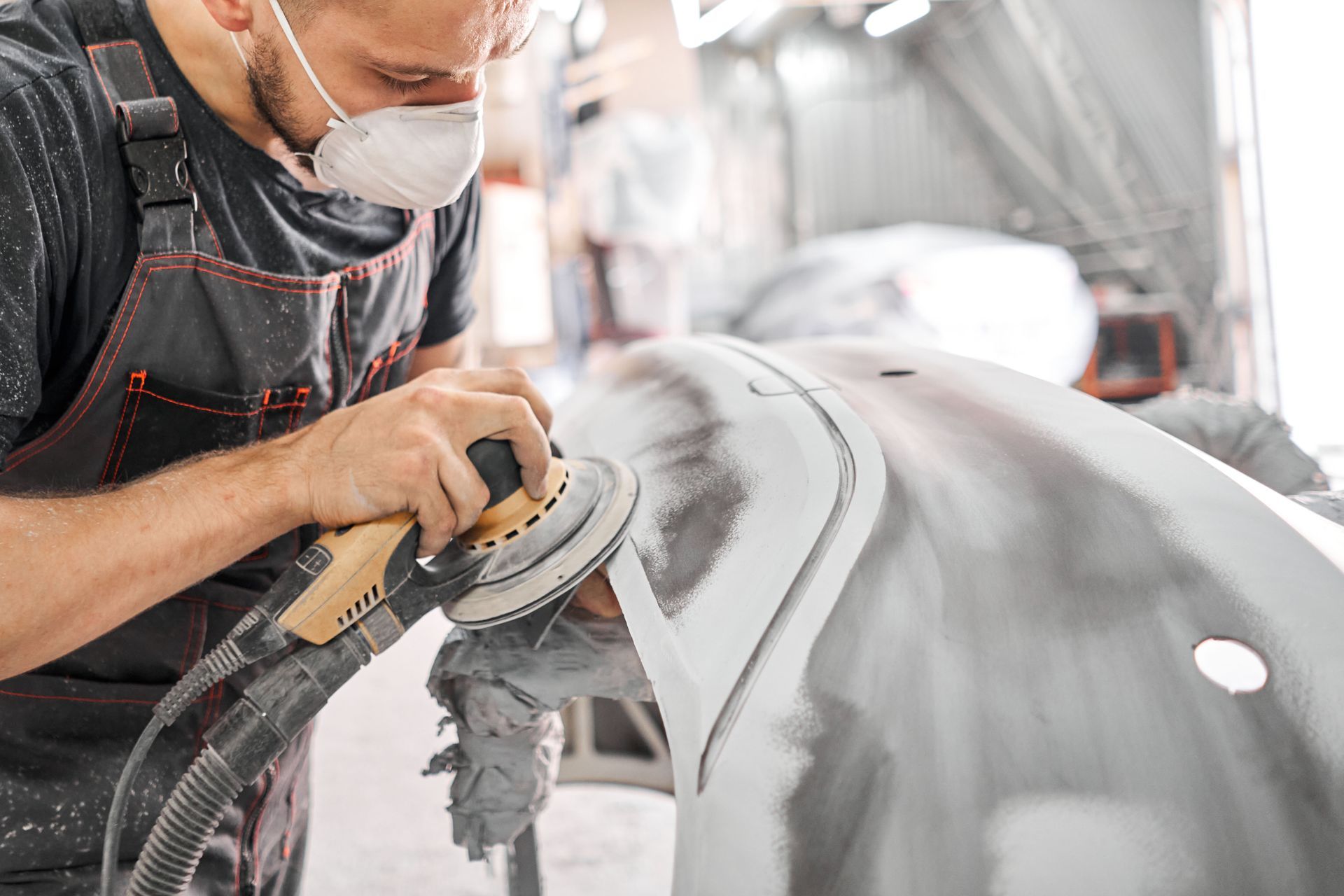
Before a single drop of pigment touches the car, the surface must be flawlessly prepared. This is often the most labor-intensive part of the shop’s workflow. Technicians sand the repaired areas, apply specialized primers, and sand again using progressively finer grits. This cycle repeats until the surface is as smooth as glass. Any imperfection left behind during this stage will be magnified once the glossy clear coat is applied, so the technicians spend hours ensuring the substrate is perfect.
The preparation also involves meticulous masking. Every window, piece of trim, and wheel must be covered with automotive-grade paper and tape to prevent overspray from reaching areas that do not require paint. In the world of high-end collision repair, the goal is for the fix to be invisible. Proper surface preparation ensures that the new paint adheres perfectly and lasts for the remaining life of the vehicle, resisting the elements and the wear and tear of daily driving. This phase is the bridge between the heavy mechanical work and the final aesthetic finish.
Applying High Precision Pigments
The final visual transformation happens in a climate-controlled spray booth. Using the vehicle’s unique color code, painters utilize computerized mixing systems to create a match that accounts for the natural aging and fading of the original finish. They apply multiple layers: the base coat for color, followed by several layers of clear coat for that deep, protective shine. The environment must be kept free of dust and debris, as even a single speck of lint can ruin a fresh finish.
After the paint is applied, the vehicle is often "baked" at specific temperatures to cure the finish quickly and durably. Once dry, technicians may perform a light wet-sanding and buffing process to remove any microscopic imperfections and bring out a mirror-like luster. This stage is where the artistry of collision repair truly shines, as the vehicle regains its aesthetic identity and showroom glow. The final result should be a car that looks as though it never encountered an obstacle, with a finish that is indistinguishable from the factory paint.
When the unexpected happens, you deserve a partner who understands the complexities of modern automotive technology. For those seeking a seamless experience and a flawless finish, Versus Paint & Collision provides the high-quality collision repair and dedicated service required to get you back behind the wheel. From frame straightening to precision paint matching, the commitment to excellence ensures that every vehicle leaves the shop in peak condition.